October 22, 2026
Trees are an aesthetic addition to any landscape that play a crucial role in environmental health, shade provision, carbon sequestration, and overall property value. To ensure their long-term survival, structural stability, and vibrant foliage, a structured seasonal maintenance plan is essential. Implementing regular tree service is a proactive measure that saves significant financial resources on emergency repairs while maintaining property aesthetics across changing weather cycles. By understanding each season's unique physiological requirements, homeowners and professional arborists can provide targeted, effective care throughout the entire calendar year.
Assessing Winter Damage and Spring Pruning
As winter gives way to spring, assessing trees for structural and biological damage inflicted by harsh winter conditions becomes paramount. Harsh freezing temperatures, high winds, and heavy snow accumulation often cause hairline trunk fractures, broken limbs, or weakened branch unions that are not immediately obvious. Inspecting branches and trunks for cracks, splits, or peeling bark helps identify vulnerable areas early before spring leafing adds weight to the canopy. Typical signs of winter damage include dead wood, compromised crotches, and uneven bark patterns, which make trees susceptible to immediate pest infestations and fungal infection.
To counteract these vulnerabilities, professional management utilizes dedicated seasonal strategies to mitigate lingering environmental stress. According to AMR, preventive maintenance tree services account for about $8 billion of the market and include regular pruning, fertilization, and pest control. Recognizing and managing winter damage early in the spring enables effective use of these specialized care routines, transforming reactive emergency responses into structured health management. Establishing a routine evaluation early in the season builds structural integrity and prepares the tree for vigorous energy production.
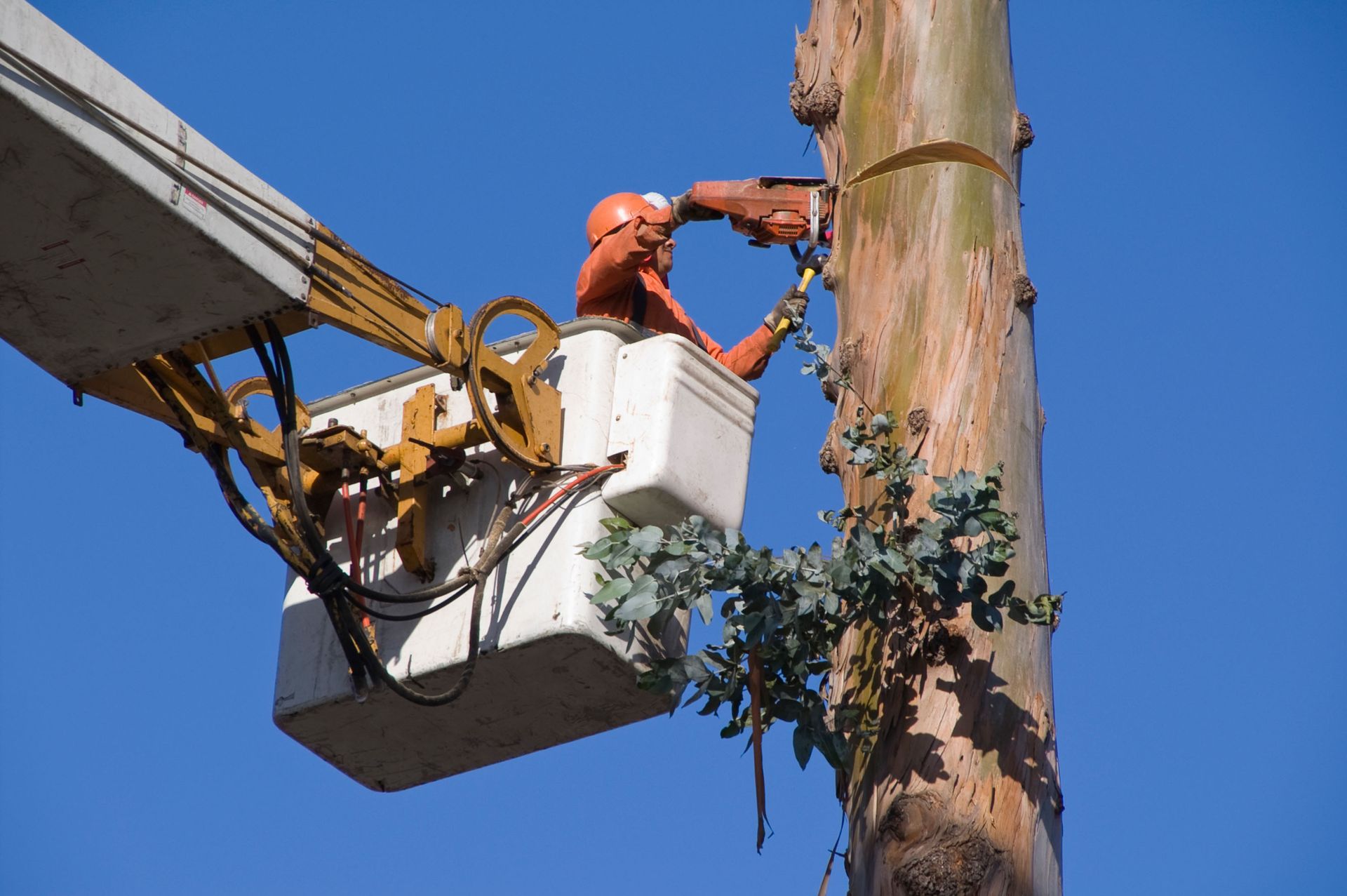
Pruning in early spring encourages trees to develop a robust architecture as they awaken from dormancy. This vital task involves strategically removing dead, rubbing, or diseased branches, allowing fresh growth to flourish without resource competition. Correct pruning ensures sunlight penetration into inner limbs and optimizes air circulation within the canopy, preventing moisture-loving pathogens from taking hold. Arborists focus on making precise cuts just outside the branch collar to accelerate natural compartmentalization. To prevent unnecessary stress during active spring growth, care must be taken to remove no more than 25% of a tree's total living foliage in a single season.
Nourishing Soil and Monitoring Pests
Post-winter, soil profiles often experience nutrient depletion that hinders optimal vegetative development during the early growing months. Spring serves as an ideal window for deep soil nutrient replenishment, which directly supports spring leafing, flowering, and root expansion. Utilizing slow-release fertilization formulations allows gradual nutrient absorption throughout the growing season, preventing sudden spurts of weak, tender growth. Balanced nitrogen formulations boost foliage density and chlorophyll production, but applications must be guided by accurate soil test results to prevent root burn or chemical runoff into local watersheds.
The arrival of warmer spring temperatures brings elevated insect activity, necessitating vigilant pest and disease monitoring across all property boundaries. Common early-season threats like aphids, caterpillars, scale insects, and wood-boring beetles can rapidly defoliate or weaken structural limbs if left unaddressed. Implementing an integrated pest management (IPM) strategy balances biological controls, cultural practices, and eco-friendly chemical interventions to preserve tree health with minimal environmental disruption. Regular canopy inspections allow arborists to spot microscopic signs of fungal leaf spot or rust before visual decline becomes severe.
Soil moisture preservation is equally critical during the transition from mild spring to warm summer months. Applying a proper three- to four-inch layer of organic mulch, such as shredded bark or wood chips, around the base of the tree conserves critical ground moisture, insulates root systems from extreme temperature fluctuations, and suppresses aggressive weed competition. Mulch should always be spread in a flat donut shape, keeping material several inches away from the trunk flare to avoid trapping moisture directly against the bark, which causes fungal decay and invites wood-boring pests.
Managing Heat and Summer Hydration
Summer presents distinct physiological challenges for trees due to sustained high temperatures, lower ambient humidity, and elevated evapotranspiration rates. Establishing a deep-watering routine during early mornings or late evenings reduces evaporation losses, delivering water directly to root systems when soil absorption is highest. Young or recently transplanted specimens require frequent, deep hydration compared to mature, deep-rooted trees. Utilizing drip irrigation or slow-soaker hoses encourages deep root expansion, making the tree far more resilient to extended drought conditions.
Proactive pest management remains crucial during peak summer as insect populations reach maximum density. Monitoring for invasive wood-boring insects, spider mites, and defoliating caterpillars enables early localized control measures using soft treatments like horticultural oils or insecticidal soaps. Maintaining clean ground conditions around the root flare by removing fallen leaves, dead twigs, and decaying debris eliminates optimal breeding sites for harmful pathogens, supporting the tree's natural physical defenses throughout the hottest stretch of the year.
Preparing Trees for Autumn Dormancy
As deciduous trees shed their canopy in autumn, managing fallen foliage becomes essential to maintaining overall property health. Unmanaged leaf buildup creates damp, shaded ground conditions that smother underlying turf, trap excess moisture around the root flare, and harbor overwintering fungal spores or harmful insects. Collecting and composting clean leaves returns valuable organic matter to the ecosystem, while mulching leaf litter directly into garden beds creates an insulating layer that protects root zones from sudden frost snaps.
Delivering essential nutrients late in the season through deep root fertilization prepares the tree's root system for winter survival and spring vigor. This technique utilizes specialized injection equipment to place slow-release liquid nutrients directly into the active root zone eight to twelve inches below the surface. Sub-surface fertilization bypasses turf grass competition, decompresses tight soil structures, and supplies macro and micronutrients that fuel internal root growth during late autumn and early winter when top growth has completely ceased.
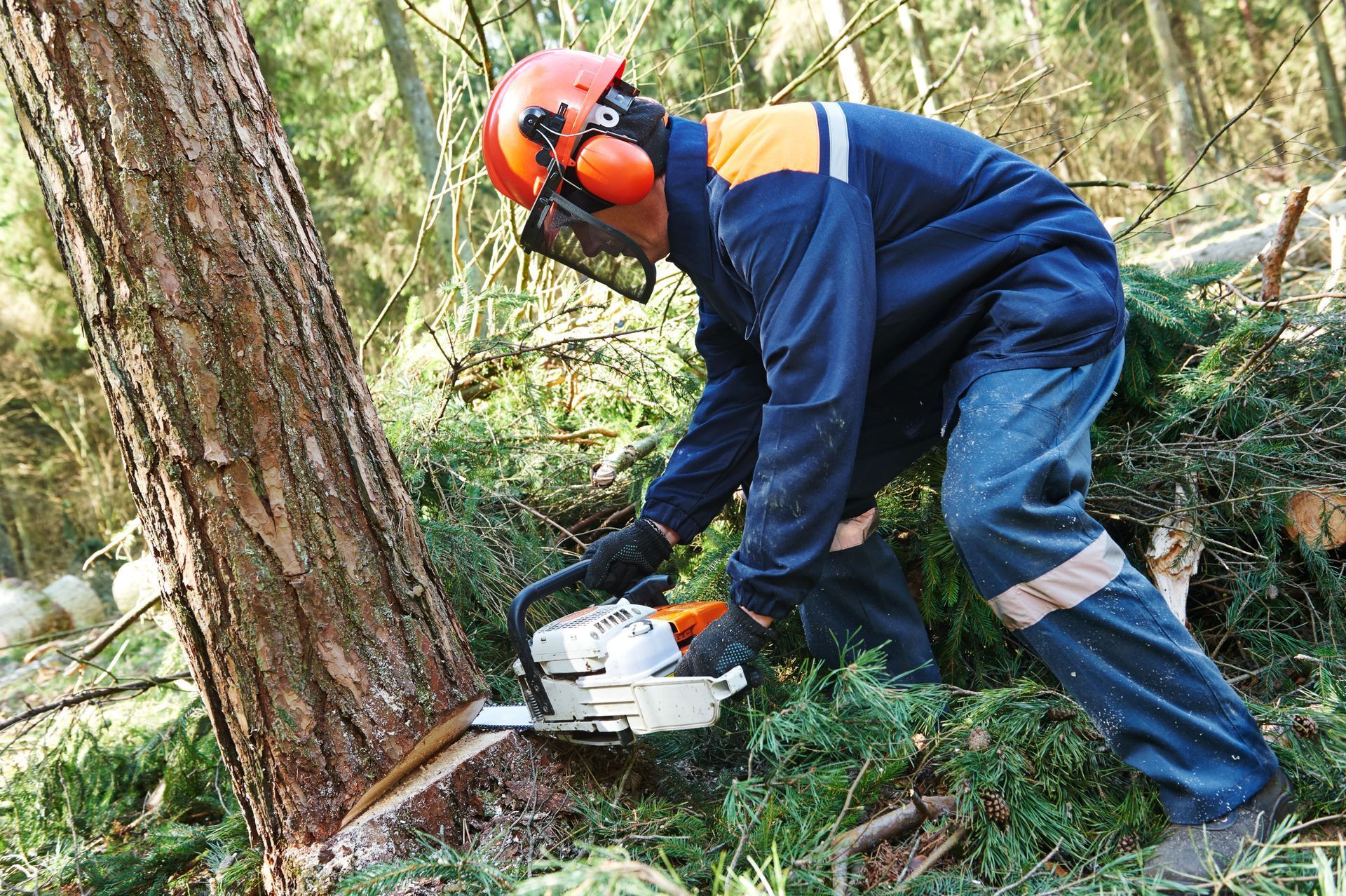
Autumn pruning focuses strictly on risk mitigation, safety management, and storm readiness. Identifying structural weaknesses, dead limbs, or over-extended branches allows arborists to prune strategically before heavy winter ice and wind loads apply extreme leverage to the frame. Removing compromised wood reduces the likelihood of branch failure over roofs, driveways, or power lines. Applying targeted preventive fungicide treatments in late autumn further protects vulnerable species from overwintering pathogens, ensuring a clean start when growth resumes in spring.
Protecting Landscapes Throughout Winter Dormancy
Although trees appear completely inactive during winter, their physical structures remain exposed to harsh mechanical stresses, freezing winds, and extreme cold. Pre-winter structural assessments focus on identifying weak crotches, internal decay, or severe leans that require professional cabling or bracing support before snowstorms hit. Installing flexible steel support cables or threaded brace rods stabilizes co-dominant trunks, allowing the tree to safely withstand high wind loads and heavy winter precipitation without splitting.
Young trees, smooth-barked species, and newly planted ornamentals are exceptionally vulnerable to winter sunscald and frost cracks. Sunscald occurs when cold bright winter sunlight warms the bark on clear days, activating dormant tissue that immediately freezes when temperatures plunge after sunset. Wrapping vulnerable trunks with commercial tree wrap or installing physical guards creates an insulating barrier that prevents bark splitting, while guard placement simultaneously deters hungry wildlife like rabbits and deer from chewing sensitive cambium layers.
Ground-level protection during winter relies heavily on maintaining a stable mulch zone over the root plate. A solid mulch layer cushions shallow feeder roots against violent freeze-thaw cycles that lift and fracture upper soil layers. When heavy wet snow accumulates on evergreen or deciduous branches, carefully brushing snow upward with a soft broom prevents severe branch bending or breakage. Following a year-round, preventive seasonal maintenance program ensures long-term landscape safety, structural elegance, and property value. For more information about the services that we offer, reach out to our incredible team at Bill Henry Tree Service Inc today!